Cairn Candle
A product-design and fabrication project developing stackable wax elements into a modular candle.
Project
Cairn Candle was developed by a four-person student team at the De Vinci Innovation Center. The project covered form exploration, wax prototyping, manufacturing considerations and preparation of a Kickstarter campaign.
View project ↗Product concept
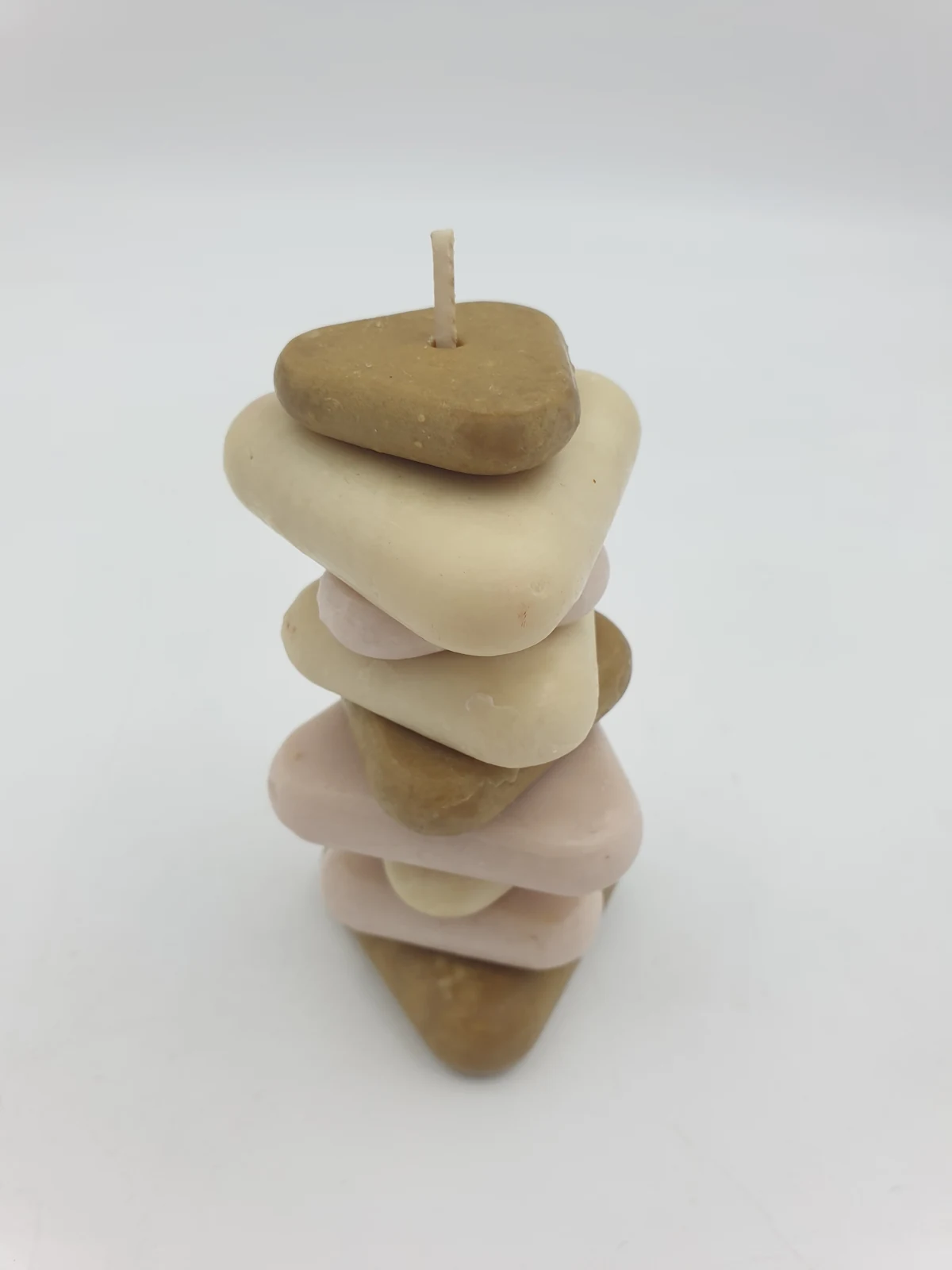
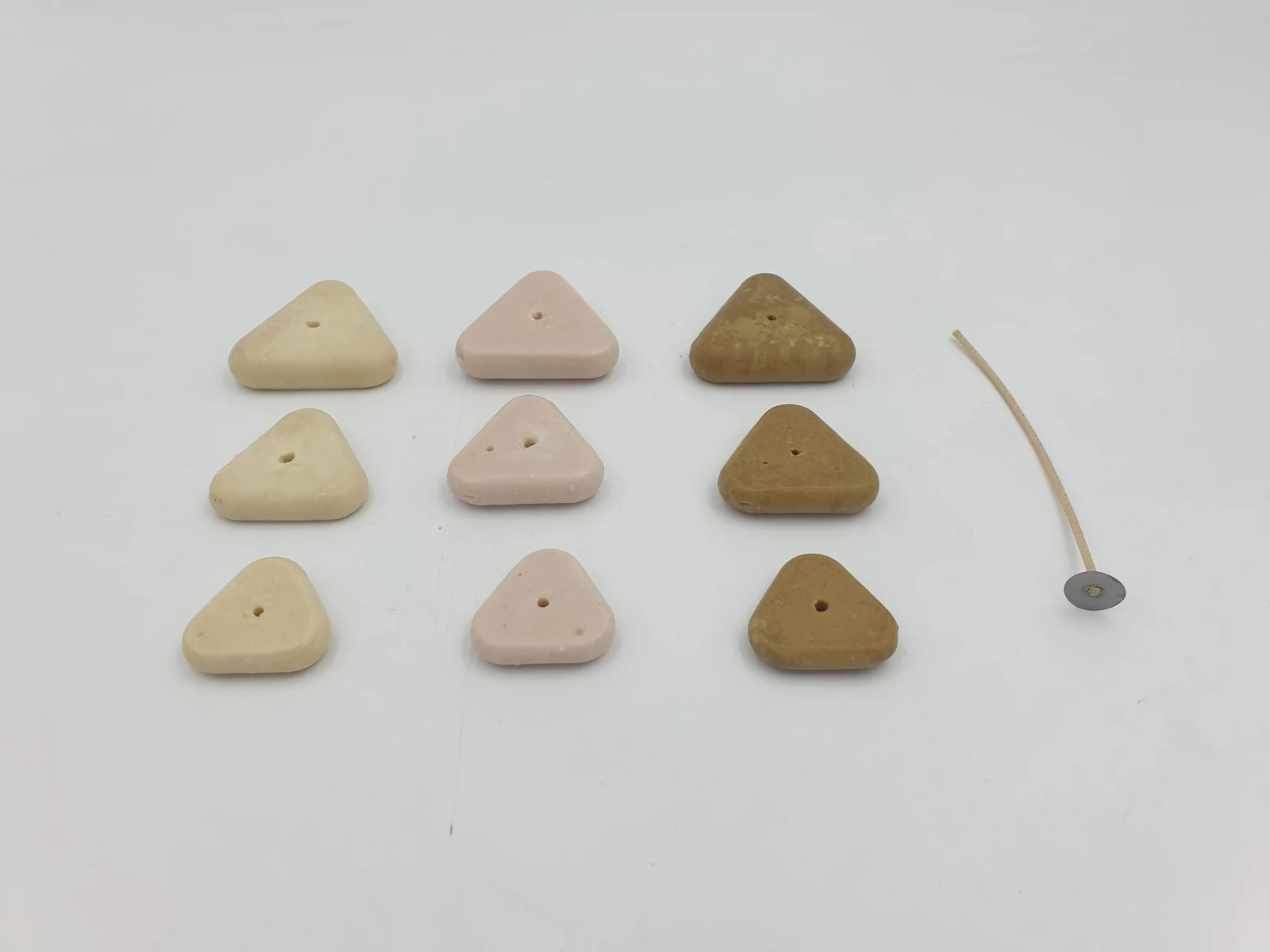
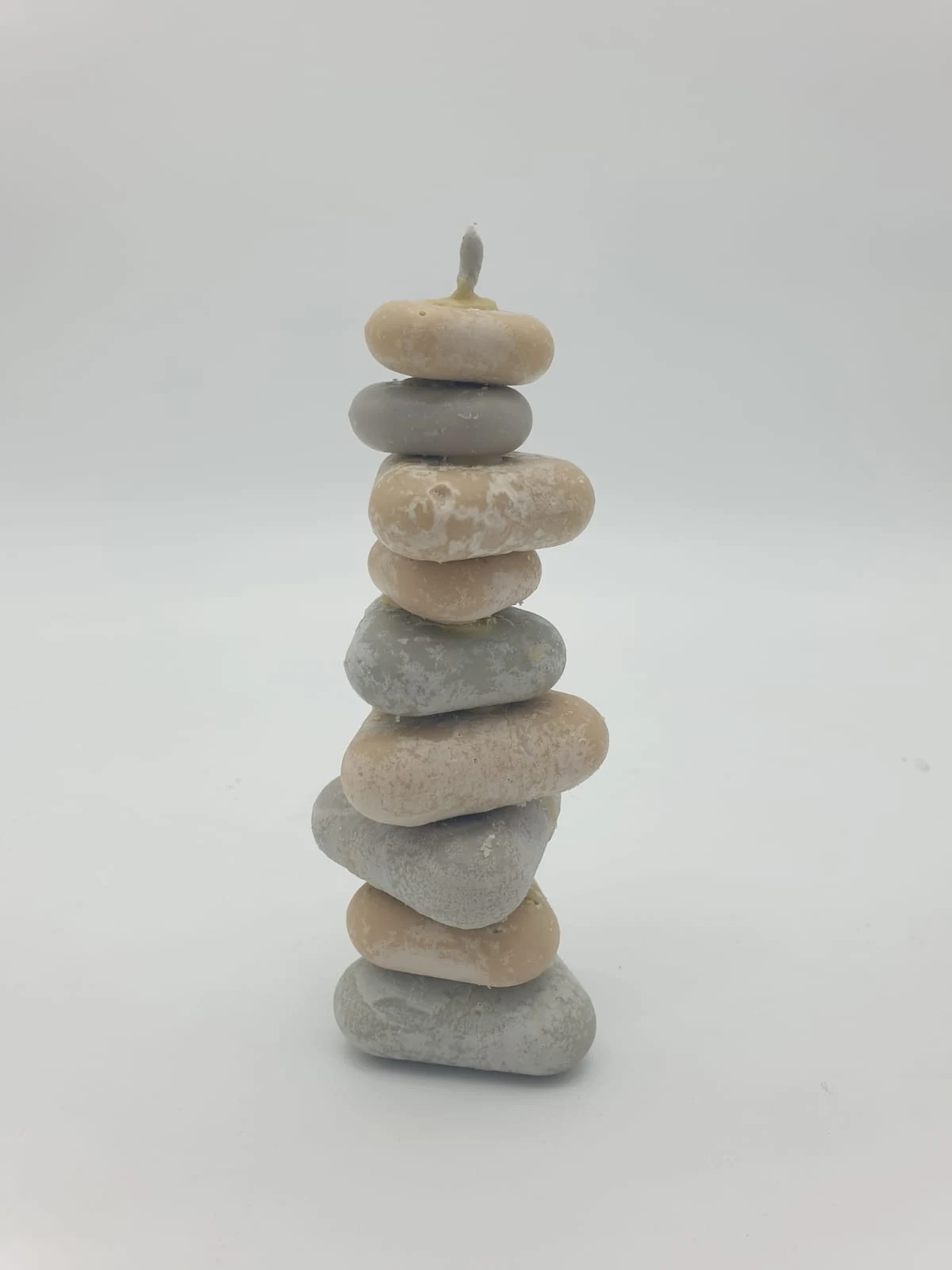
The candle consists of wax stones in different sizes and colours, stacked around a rigid wick. Users can assemble the pieces into different arrangements inspired by stone cairns.
The project combined physical prototyping with the practical requirements of presenting and producing a small consumer product.
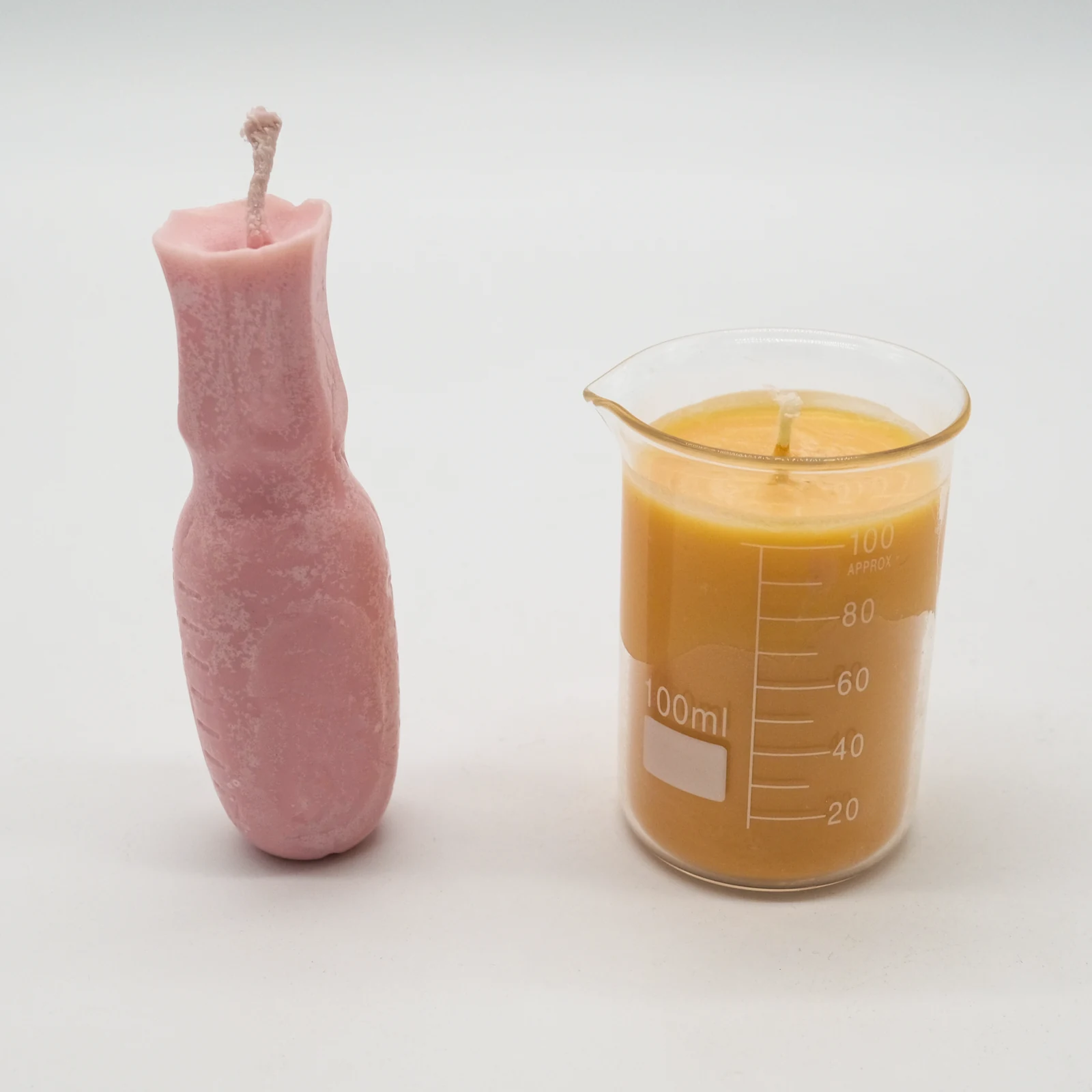
Early design exploration
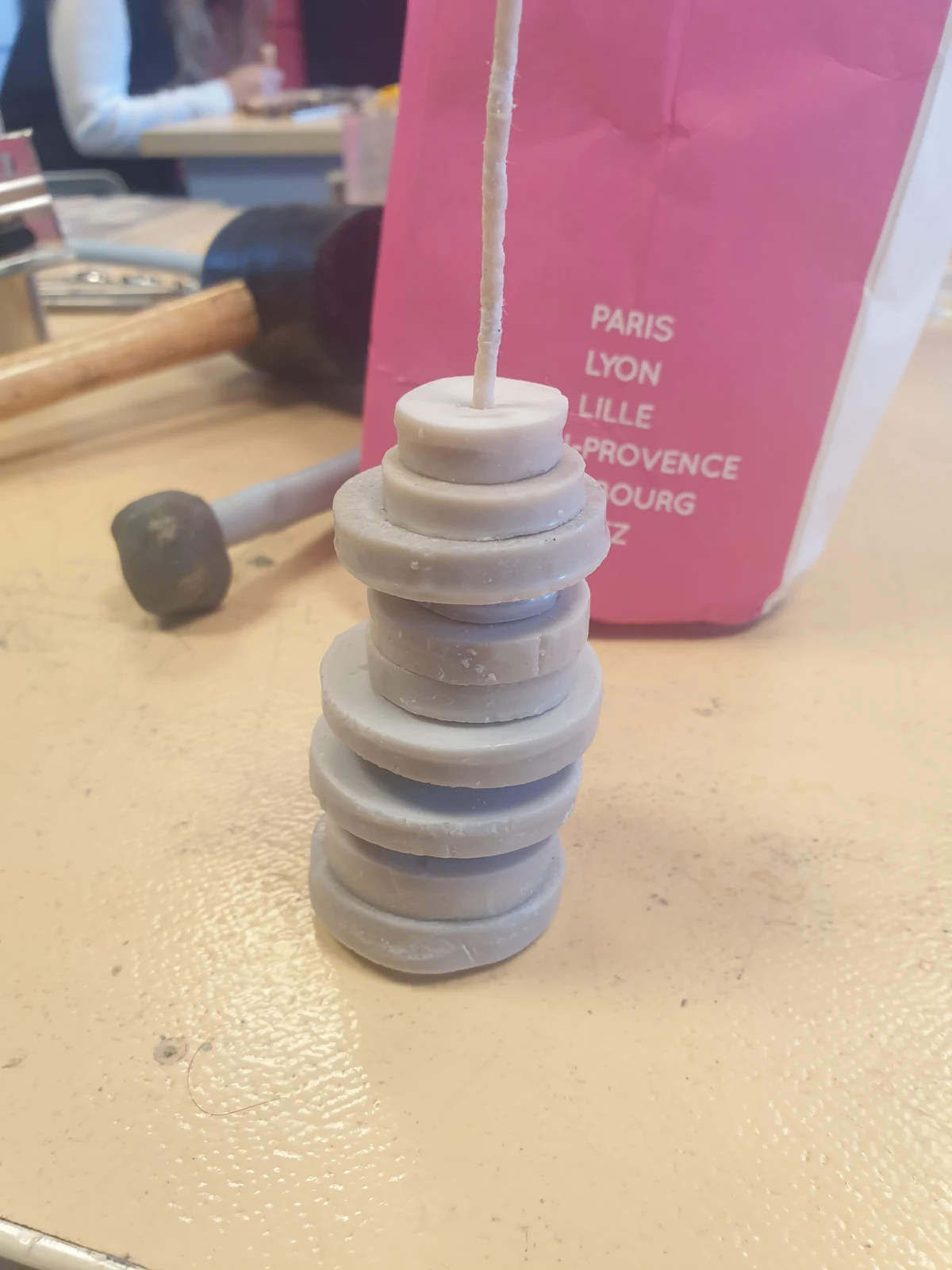
The initial concept explored the passage of time through a candle. Experiments with form and fabrication led to cylindrical wax elements that could be stacked around a wick.
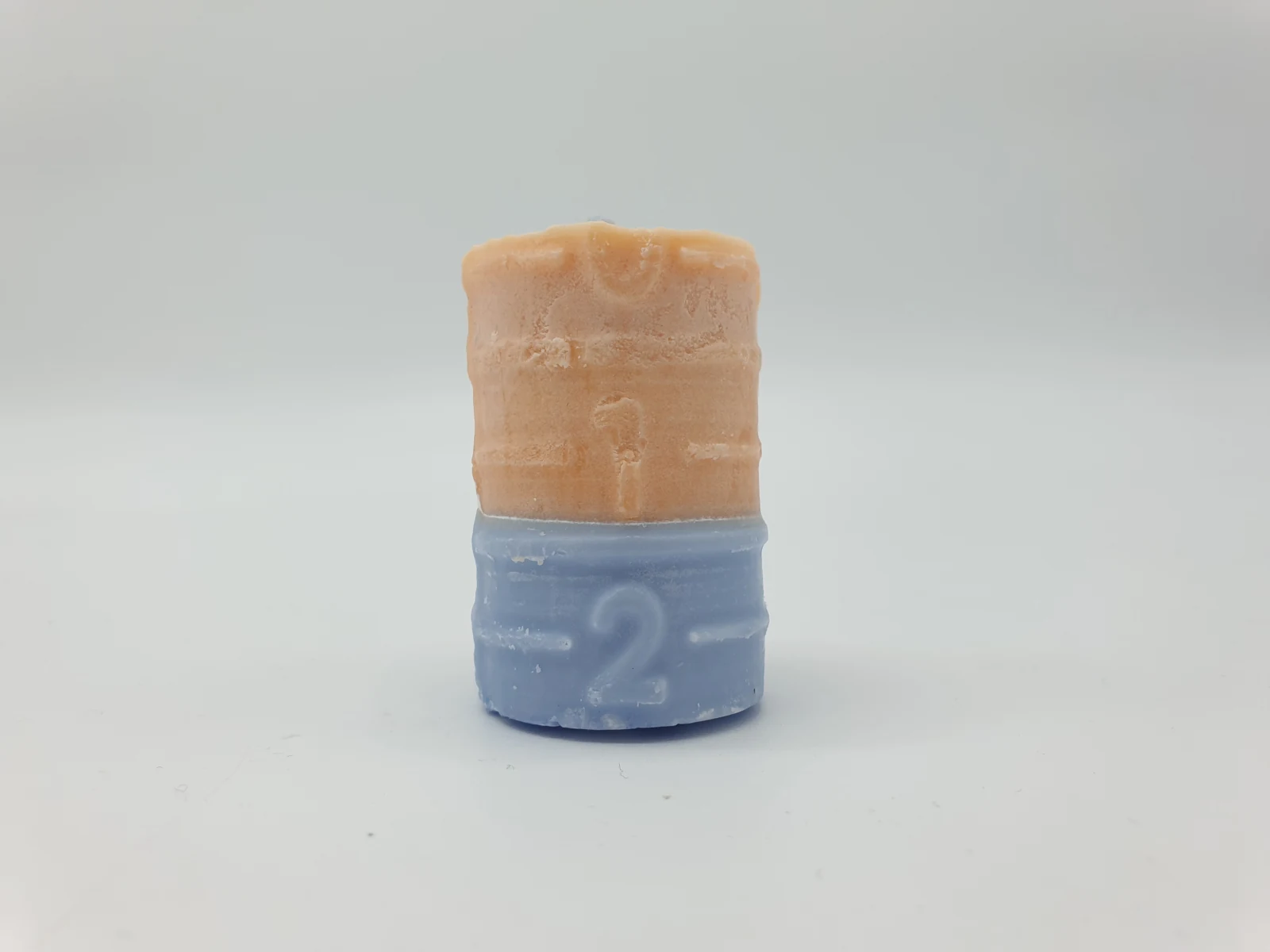
From disks to stone-like forms
The first stackable design used cylindrical disks. Subsequent experiments produced rounded triangular elements that resembled smooth stones.
This change shifted the product towards a configurable sculptural object. Prototyping helped assess how the elements could be moulded, stacked and presented as a coherent set.
Production and project context
The team prepared the design for small-scale artisanal manufacture and a Kickstarter campaign. The documented material specification used soy wax without paraffin or phthalates.
Production planning considered the practical limits of handmade batches and communication with the manufacturer. These were part of the development process rather than evidence of industrial-scale production.
The work was carried out at the De Vinci Innovation Center with supervision from Clément Duhart and Marc Teyssier, and campaign guidance from Charlie Zehnlé.